Why Concrete Is Becoming a Luxury Material
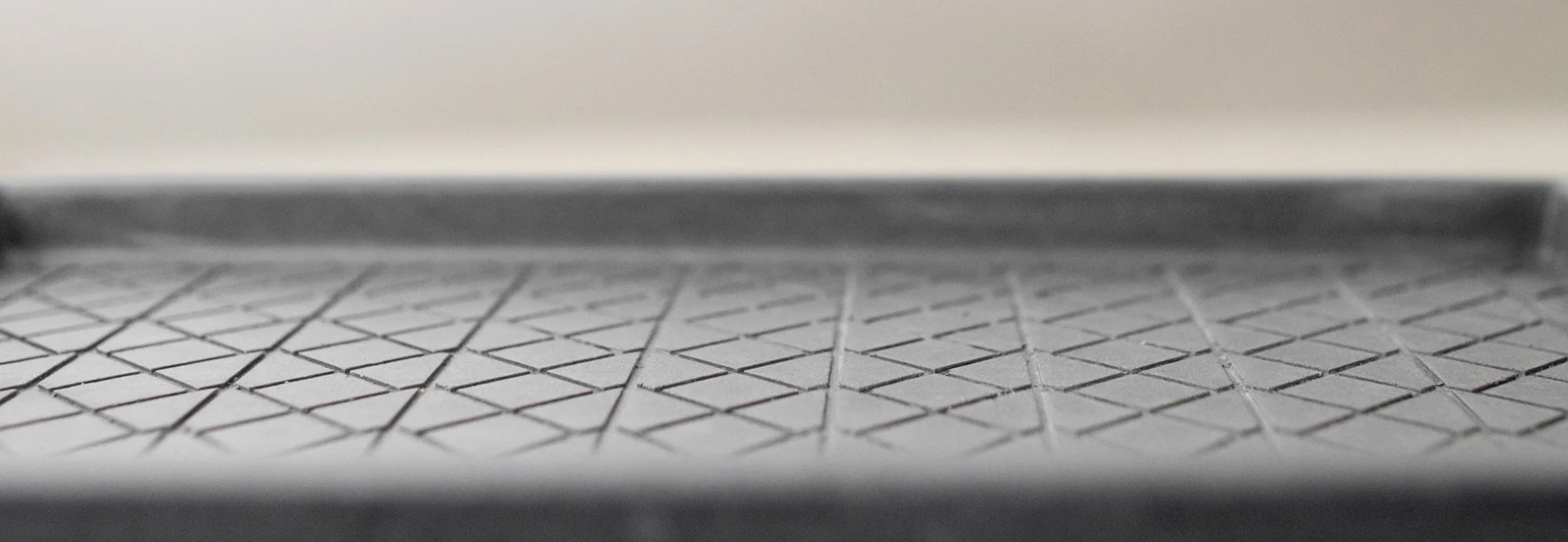
The Rise of Architectural Concrete in Contemporary Interiors
Concrete was once concealed behind finishes.
Today, it is increasingly becoming the finish itself.
In modern interior design, a shift is underway - away from decorative surfaces and toward materials that communicate structural honesty and permanence. Among these, architectural concrete has emerged as one of the most influential luxury materials of the contemporary era.
This transformation reflects broader changes in how luxury is understood. Where previous generations equated luxury with ornament, contemporary design increasingly associates it with material integrity, proportion, and endurance.
From Industrial Utility to Architectural Expression
Historically, concrete was defined by function. It enabled cities to grow, infrastructure to endure, and buildings to achieve new structural possibilities. Its aesthetic qualities were often considered secondary.
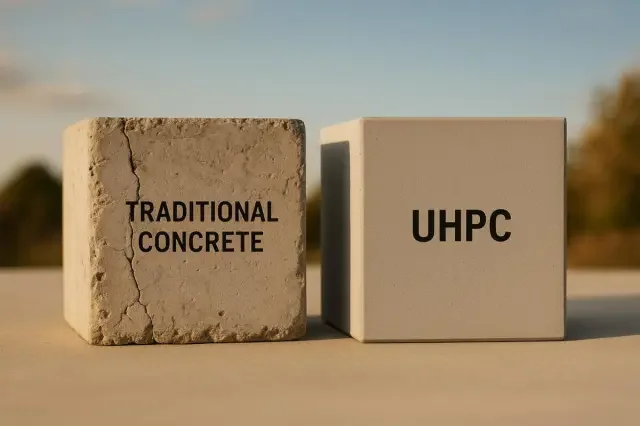
Advances in fabrication, however, have allowed concrete to evolve from a purely structural medium into a refined design material. Precision casting, material engineering, and surface finishing techniques now enable architectural concrete objects and luxury concrete decor to achieve levels of refinement previously associated with stone or metal.
This evolution mirrors the rise of minimalist design philosophies, where fewer objects must carry greater conceptual and material presence.
Material Honesty and the New Language of Luxury
In contemporary interiors, luxury is increasingly defined by authenticity rather than embellishment. Designers and homeowners are gravitating toward materials that reveal their intrinsic character - subtle tonal variation, tactile depth, and visible permanence.
Concrete aligns naturally with this movement. Its mineral composition, structural density, and ability to age gracefully position it within the emerging category of material-driven luxury design.
Unlike synthetic finishes, architectural concrete communicates longevity.
It suggests that an object is intended not simply for use, but for lasting spatial relevance.
Ultra High Performance Concrete and Precision Design
The emergence of Ultra High Performance Concrete (UHPC) has accelerated the adoption of concrete within high-end interiors. This advanced material enables thinner, stronger, and more precisely engineered forms while maintaining a substantial physical presence.
UHPC allows designers to create:
refined geometric compositions with crisp architectural edges
durable objects capable of long-term daily use
subtle surface textures that interact with natural light
materially expressive forms that balance precision and rawness
As a result, luxury concrete objects are increasingly integrated into modern homes as architectural elements rather than decorative accessories.
Concrete as a Spatial Anchor in Minimalist Interiors
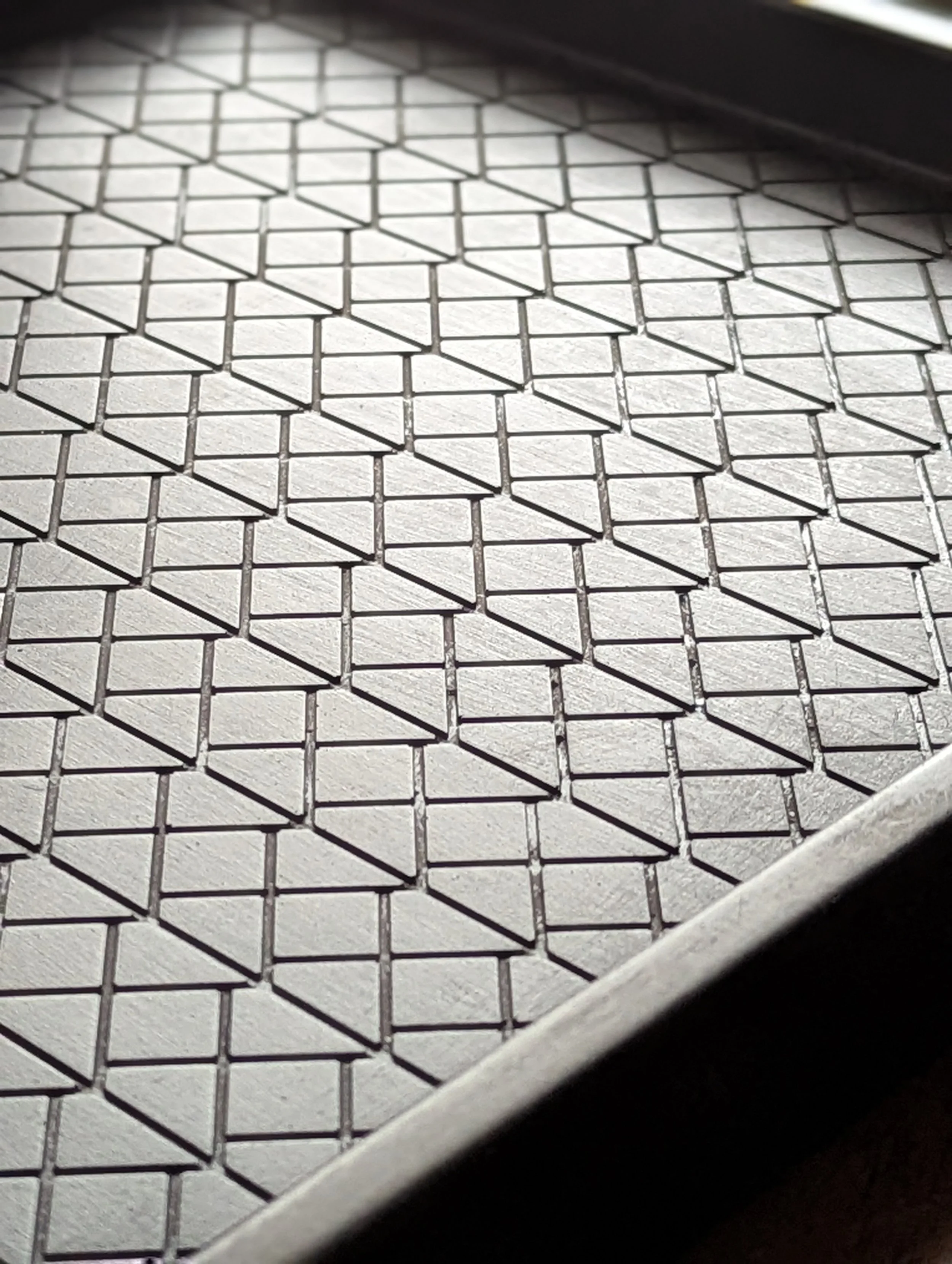
CASTELLE STUDIO RELIEF JOINTS
Minimalist environments require objects that contribute meaningfully to spatial composition. Architectural concrete provides visual stability, helping to define balance, scale, and rhythm within a room.
Its presence can:
ground interior arrangements
introduce sensory weight and stillness
reinforce proportional clarity
create contrast within neutral palettes
These qualities have made concrete central to the development of warm minimalist and architectural interior design approaches.
Designing for Permanence in a Disposable Era
Contemporary consumer culture is often characterized by rapid cycles of acquisition and replacement. In contrast, luxury design is increasingly oriented toward objects that endure - materially, aesthetically, and emotionally.
Concrete embodies this philosophy. Its durability and resistance to trend-driven aesthetics align with the principles of slow design and investment-oriented interiors.
As homes become more intentional environments, architectural objects made from enduring materials are positioned not as purchases, but as long-term spatial commitments.
The Castelle Perspective on Architectural Concrete
At CASTELLE STUDIO, concrete is approached as an architectural medium rather than a decorative finish. Through the use of Ultra High Performance Concrete and precision manufacturing processes, objects are conceived to integrate seamlessly into contemporary interiors.
This approach emphasizes proportion, material research, and spatial influence - ensuring that each object contributes to the atmosphere and longevity of the environments it inhabits.
Because in modern luxury, permanence is not a constraint. It is the defining characteristic.
